Sony Bravia Theater Trio (HT-A8) review: A transformative approach to home audio

The Sony Bravia Theater Trio (HT-A8) represents a strategic shift in how home entertainment systems are engineered, moving away from the conventional soundbar paradigm toward a more modular, high-performance architecture. By segmenting a traditional home theater system into three distinct physical components—a dedicated center channel, and independent left and right speakers—Sony has addressed a long-standing challenge in the consumer electronics industry: matching the sonic scale of modern, ultra-large-format displays. While traditional soundbars often struggle to project an audio image that aligns with the visual expanse of an 85-inch or larger television, the Trio system provides a flexible, spatially accurate solution that bridges the gap between minimalist soundbars and complex, multi-speaker component setups.
Engineering the Soundstage: The Philosophy Behind the Trio
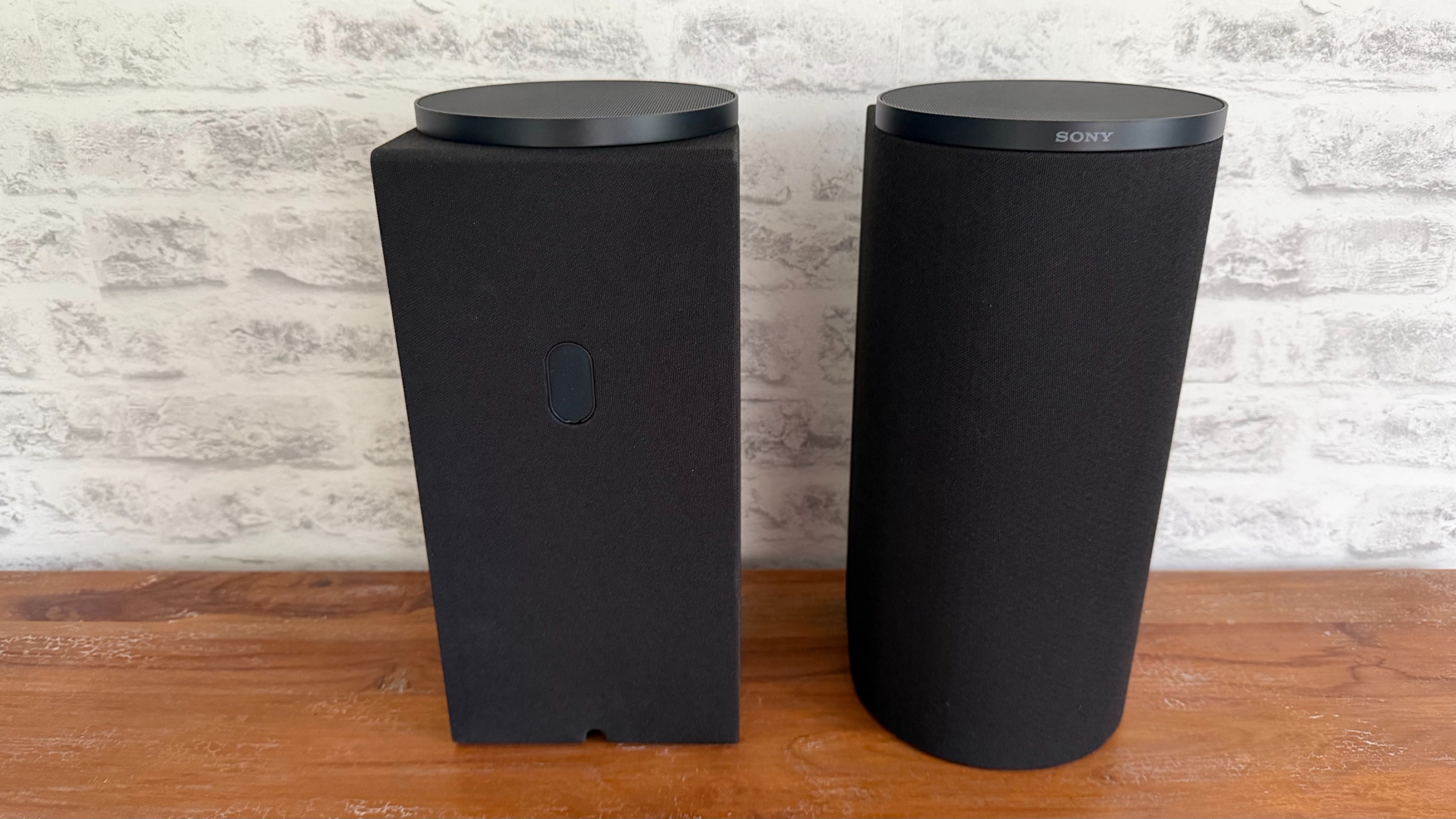
The development of the HT-A8 was prompted by internal research within Sony’s audio division, which identified a recurring failure in existing single-bar solutions. As consumer demand for massive screen sizes has accelerated, the distance between the left and right drivers in a standard soundbar has become insufficient to create a truly cinematic, wide-reaching soundstage. Rather than simply elongating the form factor of the soundbar—which poses logistical challenges for consumers regarding furniture and mounting—Sony engineers opted for a three-piece configuration.
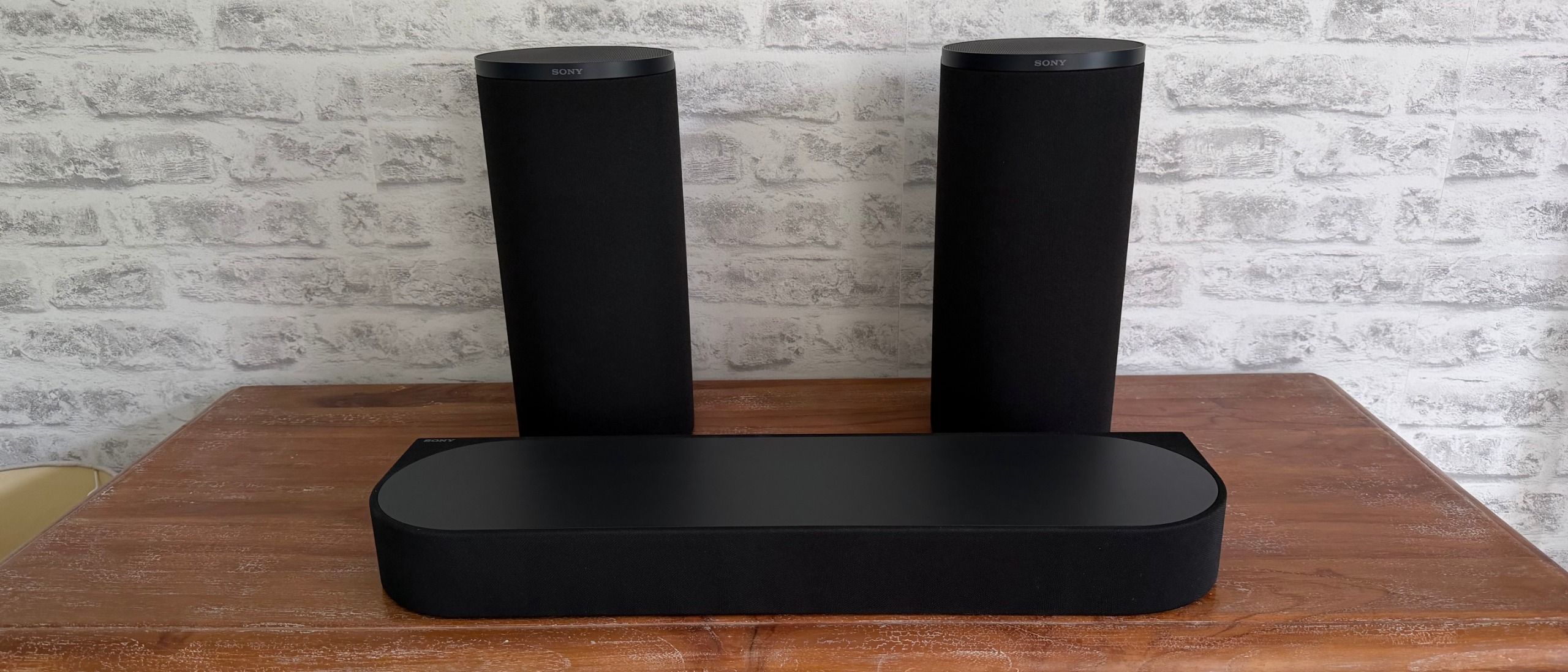
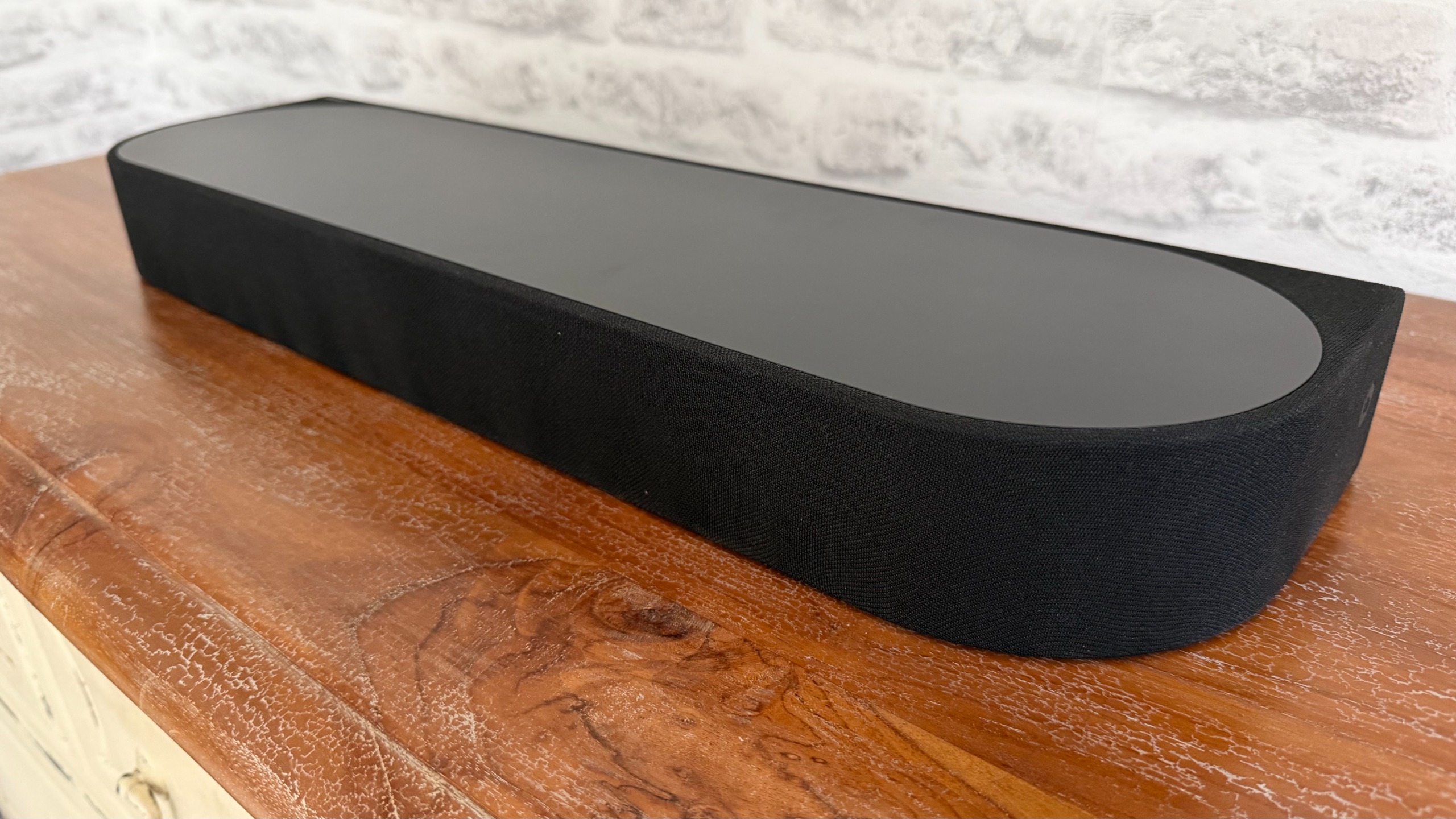
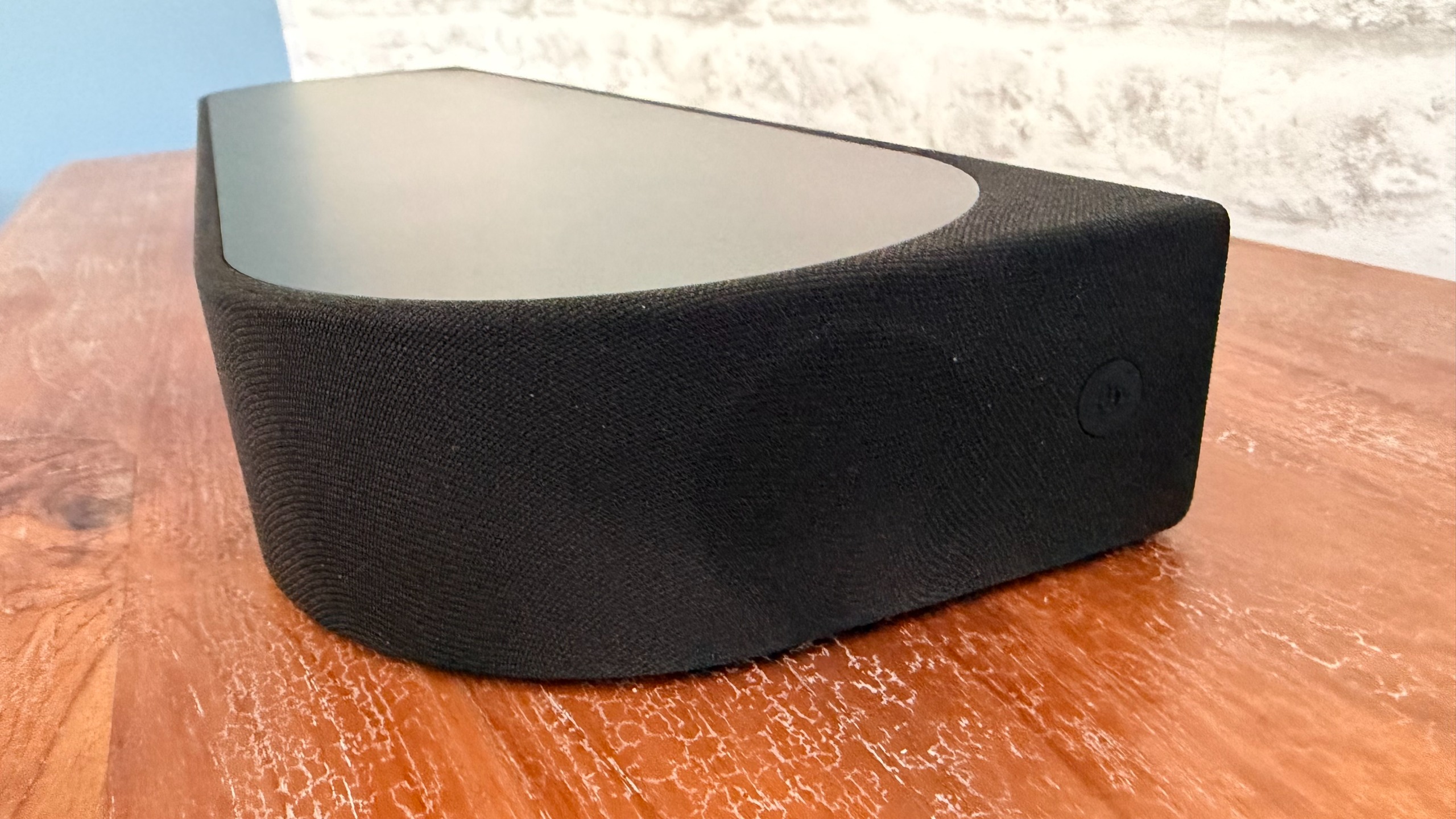
This design choice allows users to place the left and right speakers at the optimal distance to match their specific screen size and room dimensions, effectively decoupling the audio width from the physical constraints of the television chassis. The center speaker remains compact, measuring 23.19 x 2.52 x 6.5 inches, ensuring it can sit unobtrusively beneath the screen, while the larger, wireless left and right units can be positioned to maximize the immersive quality of the audio.
The Role of 360 Spatial Sound Mapping
Central to the performance of the Bravia Theater Trio is the implementation of Sony’s proprietary 360 Spatial Sound Mapping technology. This psychoacoustic processing suite represents the evolution of modern home theater calibration. By utilizing a high-quality microphone dongle that connects directly to a smartphone, the system analyzes the room’s specific acoustic footprint.
The processing engine then synthesizes up to 24 "virtual" channels of audio, effectively tricking the human ear into perceiving sound coming from directions where no physical speakers are present. This technology is particularly effective in addressing "awkward" room layouts, where architectural obstructions or non-symmetrical wall placements would typically ruin the balance of a standard surround sound system. The system’s ability to create a 360-degree soundstage is further enhanced if a user opts for the optional Rear 9 satellite speakers, though the core system remains highly capable even without these additional components.
Connectivity and Technical Specifications
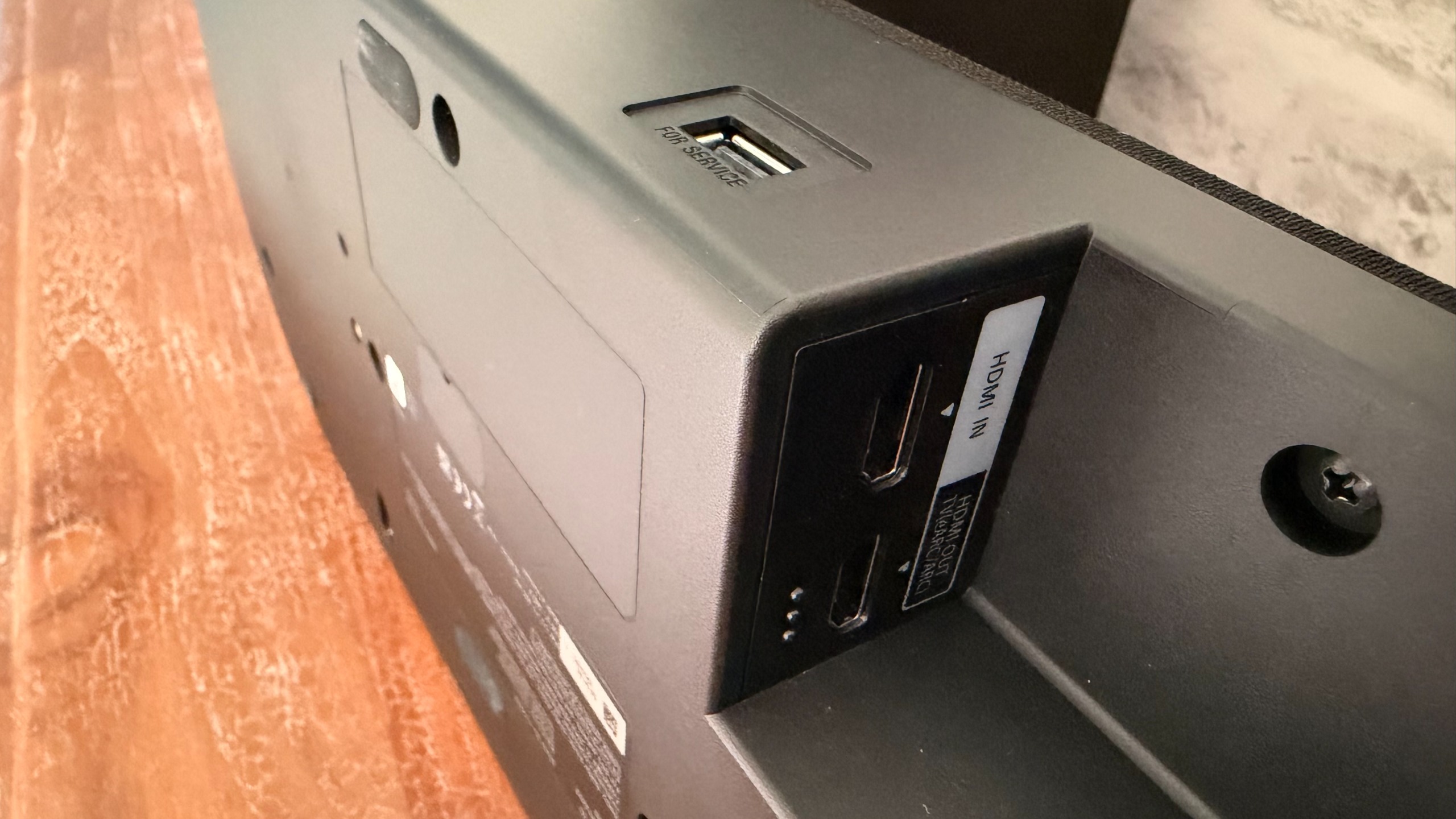
The Bravia Theater Trio is built with modern high-bandwidth requirements in mind. The system features an HDMI loop-through architecture that supports 4K/120Hz gaming signals, a necessary specification for users operating current-generation consoles such as the PlayStation 5. The inclusion of eARC (Enhanced Audio Return Channel) ensures seamless integration with modern smart TVs, allowing for high-bitrate audio transmission.
While the system is robust in its wireless capabilities—offering Wi-Fi and Bluetooth 6.0, alongside support for Spotify Connect and Apple AirPlay 2—some industry analysts have noted the lack of additional physical inputs as a potential limitation. The system includes a single USB port, which is designated for firmware updates rather than media playback. For a system retailing at $1,999, the absence of a secondary HDMI input or an optical digital audio port may be viewed as a missed opportunity for users with multiple legacy devices. However, the internal integration of Sony’s DSEE Ultimate AI upscaling ensures that compressed audio sources are processed to sound significantly more detailed and dynamic.
Performance and Audio Fidelity
In practice, the Trio system consistently outperforms its physical footprint. The power output, rated at 405W, feels conservative when subjected to demanding movie soundtracks. The system handles both Dolby Atmos and DTS:X formats with a level of precision typically reserved for discrete component systems.
A notable aspect of the Trio’s performance is its handling of frequency extremes. Often, smaller center channels fail to manage the weight of dialogue or the depth of low-frequency transients, leading to a "hollow" sound. The Trio avoids this through its specialized driver design, which maintains clarity and tonal balance even at high volumes. During high-intensity sequences, the system delivers sharp, impactful sound without the distortion or "brittleness" that often plagues compact speaker arrays.
When applied to music, the system is equally adept. Even in native stereo mode, the separation between the left and right channels is distinct. Furthermore, the 360 Spatial Sound Mapping can be utilized to upmix stereo music, providing an ambient, immersive listening experience that feels more natural than the digital signal processing (DSP) modes found in many competing products.
Market Positioning and Competitive Analysis
The price point of $1,999 (£1,999 / AU$2,999) places the Sony Bravia Theater Trio in the premium tier of the home audio market. To understand this positioning, one must compare it against the broader market landscape. Samsung’s flagship HW-Q990H, for example, offers a more traditional, comprehensive surround sound package at a lower price point ($1,499). While the Samsung system provides a more traditional "surround in a box" experience, the Sony Trio focuses on high-fidelity, high-scale performance that prioritizes the front-stage experience.
The cost can escalate if a consumer chooses to add the Rear 9 surround speakers, which retail for approximately $749.99 (£699 / AU$1,299). When fully equipped, the total investment nears $2,750, a price that puts the system in direct competition with entry-level and mid-tier separates systems. The decision to buy the Trio ultimately rests on the consumer’s desire for a system that looks like a soundbar but performs like a premium home cinema setup.
Limitations and Considerations
Despite its impressive technical achievements, the system is not without limitations. The "sweet spot"—the area where the 360 Spatial Sound Mapping effect is most coherent—is relatively narrow. In a large household, this may mean that only the primary listener experiences the full intended effect, while those on the periphery of the seating area may notice a slight degradation in the spatial cues.
Furthermore, the connectivity limitations mentioned previously mean that the Trio is not a substitute for a traditional AV receiver. Users looking to connect multiple high-end media sources directly to an audio system will find themselves constrained by the single HDMI input. Additionally, while the system’s bass response is remarkable for its size, those seeking the visceral, room-shaking rumble associated with dedicated home cinema subwoofers may eventually feel the need to invest in Sony’s optional Sub 8 or Sub 9 wireless subwoofers.
Conclusion and Future Outlook
The Sony Bravia Theater Trio (HT-A8) is an innovative response to the changing landscape of home entertainment. By moving away from the "one-bar-fits-all" mentality, Sony has created a flexible and powerful system that caters to the specific demands of large-screen home theater enthusiasts.
The integration of advanced room-correction technology and the focus on wide-stage sound delivery positions the Trio as a unique product. It is an ideal solution for those who want the aesthetic simplicity of a soundbar but are unwilling to compromise on the acoustic scale and depth required for a true cinematic experience. While the premium price and limited physical connectivity may deter some, the performance delivered by this three-piece package sets a new benchmark for what can be achieved in a non-traditional home audio system. As television panels continue to grow in size and resolution, the demand for audio solutions like the Trio—which can scale to match the visual experience—is likely to increase, cementing the system’s place as a significant development in consumer audio technology.
Related posts: